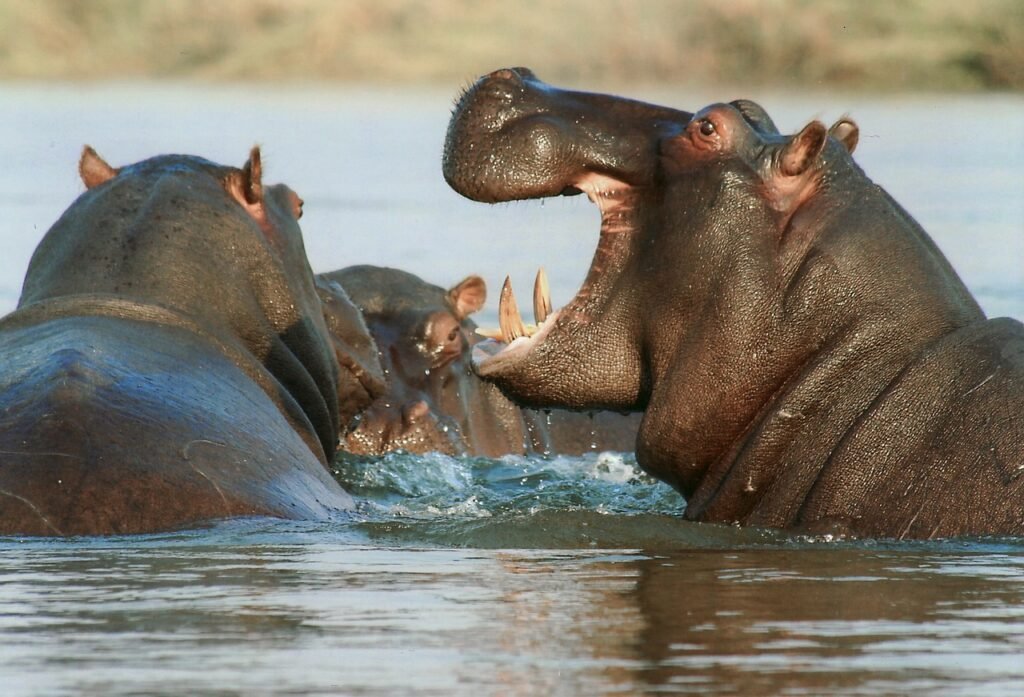
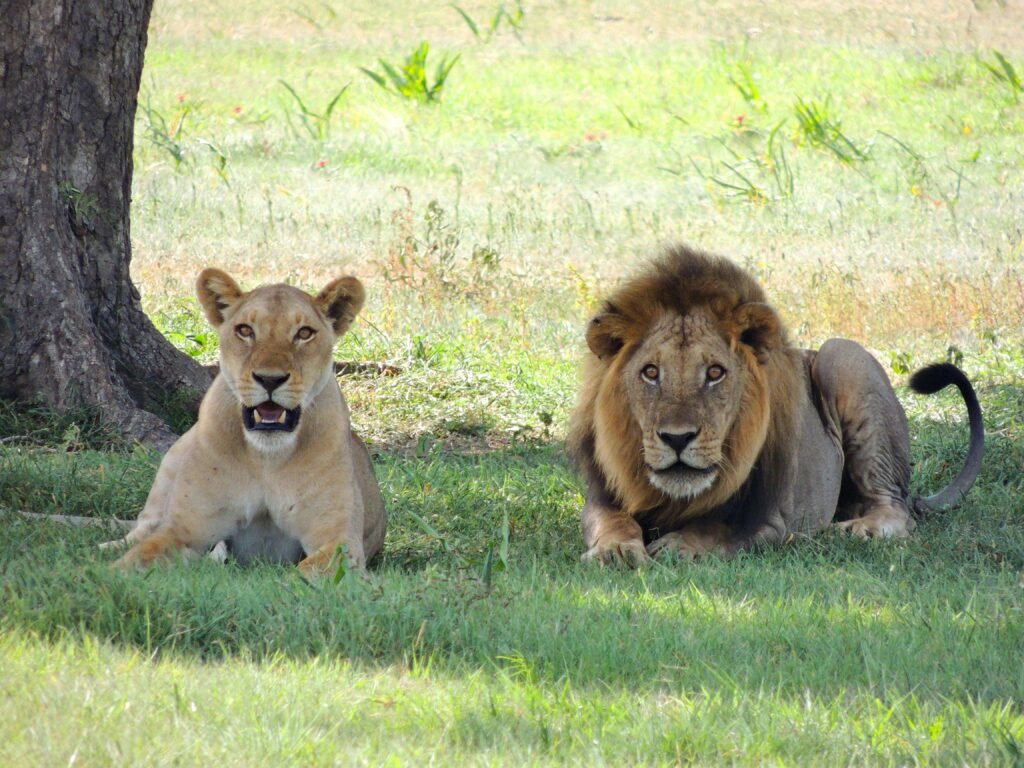
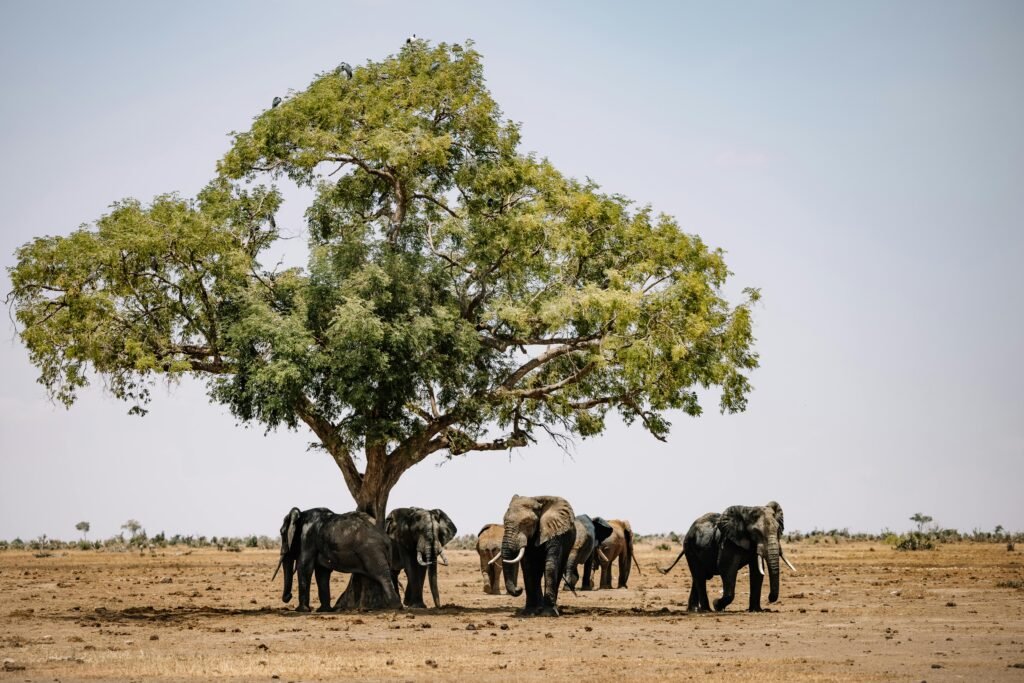
The pristine and untouched Ruaha National Park is the largest national park in Tanzania. The focal point of the reserve is the Great Ruaha River with its deep gorges, swirling rapids and excellent fishing. With over 10 000 elephants, 30 000 buffalos, 20 000 zebras and huge populations of lions and leopards (not to mention more than 400 bird species), Ruaha is the wildlife enthusiast’s playground. The park is named after the Great Ruaha River of which 160 km flows through the park. It is the most distinctive feature of the park and for its residents the most important. Apart from the river, the park is known for its varied scenery – from large open plains to rolling hills, river systems and wetlands to kopjes and mountains. The Ruaha National Park marks the transition zone where eastern and southern species of flora and fauna overlap. The Great Rift Valley also runs through the park with escarpment walls rising between 50 and 100 m in height. Natural springs associated with the rift valley are scattered throughout the park.
Furthermore, the park is home to both species of kudu (greater and lesser) as well as the majestic, frequently seen sable and roan antelopes. Almost 1650 different plant species can be found in the park, creating a one of a kind botanical paradise.