nilesafarisandtours.com

welcome to Mkomazi national park

Discover the Untamed Beauty of Mkomazi National Park

Tucked away in northeastern Tanzania at the foot of the Pare and Usambara Mountains, Mkomazi National Park remains one of the country’s lesser-known natural gems. Bordering Kenya’s Tsavo National Park, it forms part of the expansive Greater Tsavo Ecosystem, covering an impressive 43,000 square kilometers of shared wilderness.

Mkomazi boasts one of the most unique ecosystems in Tanzania. Positioned at the southern tip of the Somali semi-arid zone and within the Sahelian Biosphere, it creates a vital ecological link between the Sahara and Central Africa. This rare location supports wildlife species rarely seen elsewhere in the country. Although protected as Mkomazi and Umba Game Reserves since 1951, the area gained national park status in 2008 under the care of Tanzania National Parks (TANAPA), conserving its 3,200 square kilometers of rugged, untouched terrain.

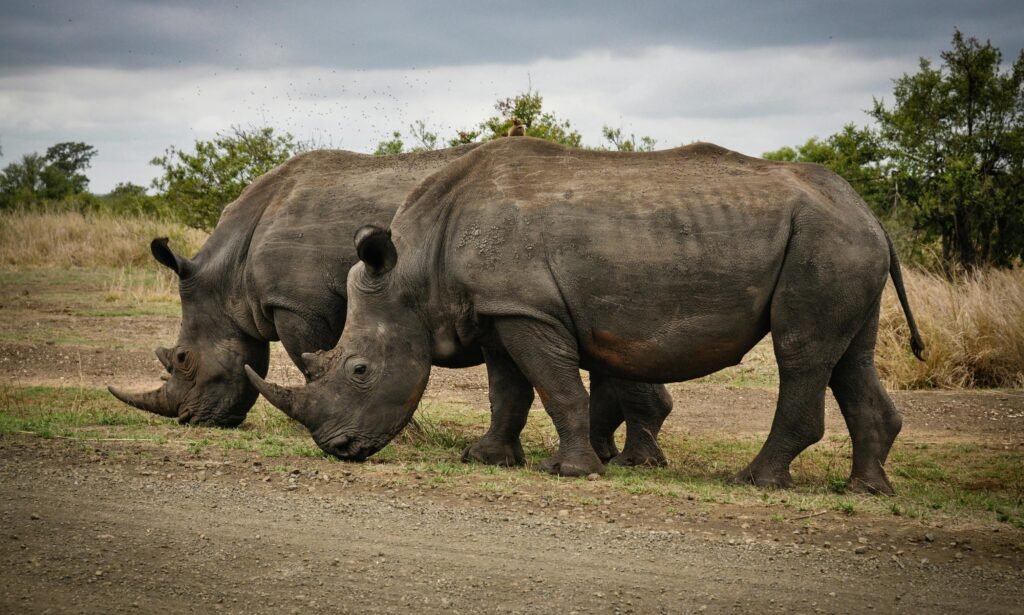
Two rhinoceroses graze in Kruger Park, showcasing the beauty of South African wildlife.
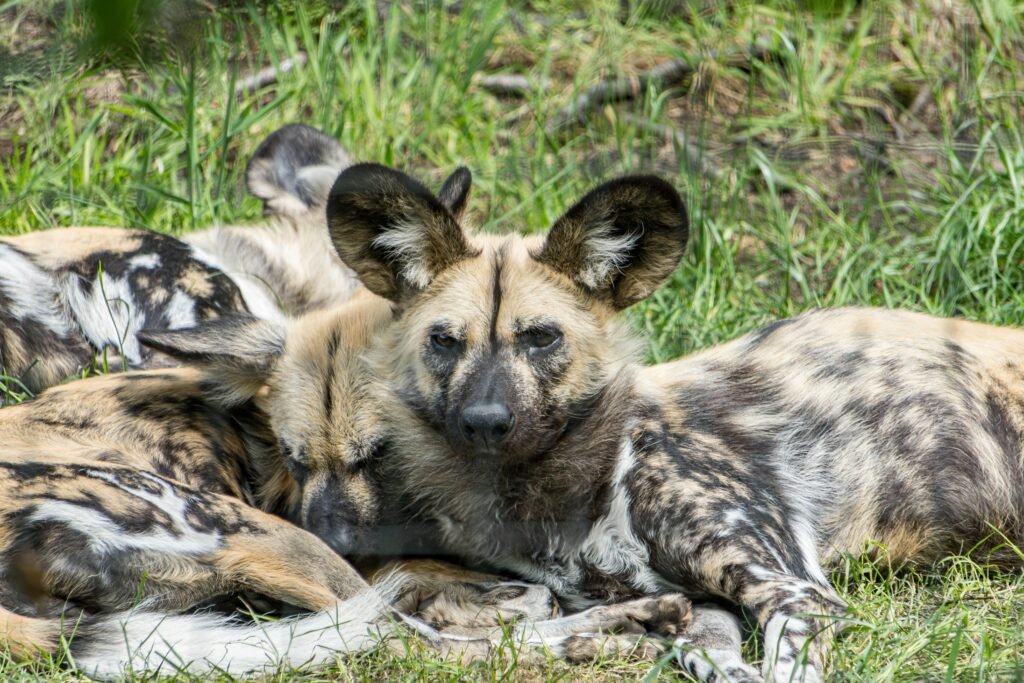
Group of African Wild Dogs relaxing on grassy terrain in the UK daytime.
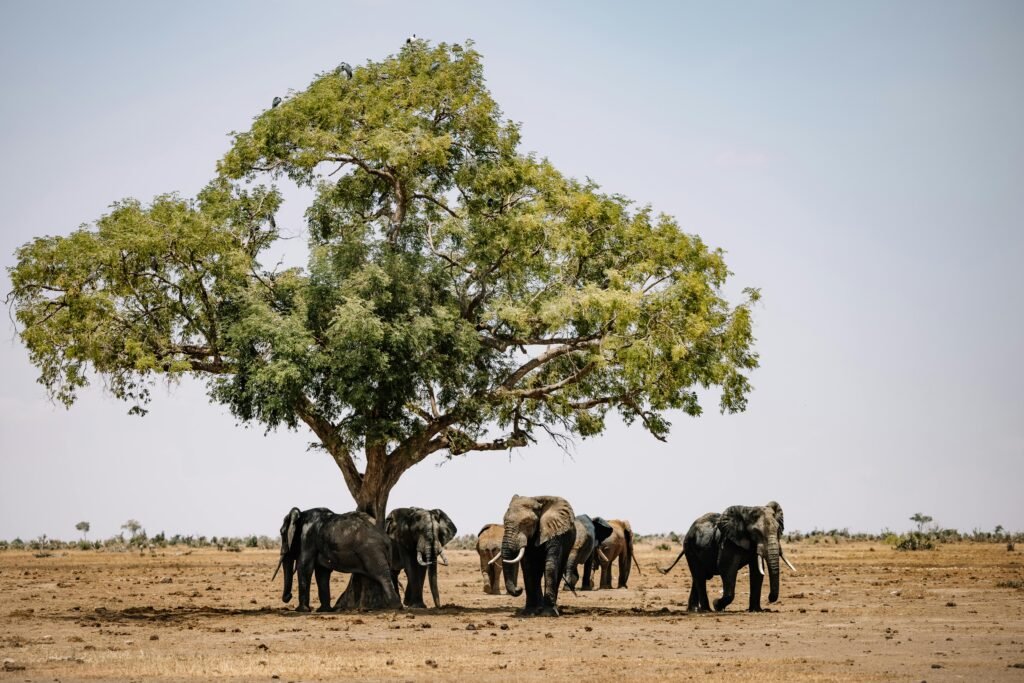
A herd of African elephants standing under a large tree in the wild, showcasing nature at its best.

The Immensity of Mkomazi National Park

Since its designation as a national park, Mkomazi has seen a marked reduction in poaching, livestock intrusion, bushfires, and other unlawful activities. Through the joint efforts of the Tanzania National Parks Authority (TANAPA) and the George Adamson African Wildlife Preservation Trust, the park’s infrastructure has been significantly upgraded—roads have been improved, and several water catchments have been developed. These conservation measures have resulted in a steady rise in wildlife numbers.

Today, visitors can encounter sizeable herds of zebras, elands, elephants, and buffalos, sometimes numbering over a hundred. The park also supports thriving populations of kongonis, giraffes, dik-diks, and ostriches, while its drier zones are home to unique species such as the gerenuk, lesser kudu, and beisa oryx. Though sightings of large cats are rare, observant visitors might catch glimpses of elusive species like serval cats, caracals, wild cats, and occasionally, wild dogs.