nilesafarisandtours.com

welcome to mkomazi national park

Mkomazi National Park: A Safari Experience Like No Other

Tucked away in the northeastern corner of Tanzania, at the base of the towering Pare and Usambara Mountains, Mkomazi National Park is a hidden gem among the country’s protected areas. Extending into Tsavo National Park in Kenya, Mkomazi forms a vital part of the Greater Tsavo Ecosystem, an expansive wilderness covering 43,000 square kilometers.

This national park boasts one of Tanzania’s most unique ecosystems. Positioned at the southern edge of the Somali semi-arid belt and the Sahel Biosphere, Mkomazi serves as an important biogeographic corridor linking the Sahara Desert to Central Africa. This distinctive geography enables Mkomazi to host species that are rarely found elsewhere in Tanzania, making it a special destination for nature lovers.

Although Mkomazi has been protected as Mkomazi and Umba Game Reserves since 1951, it wasn’t until 2008 that the area officially became a national park under the management of Tanzania National Parks (TANAPA). Today, Mkomazi spans 3,200 square kilometers of pristine wilderness, offering visitors a chance to experience its untouched beauty and diverse wildlife.

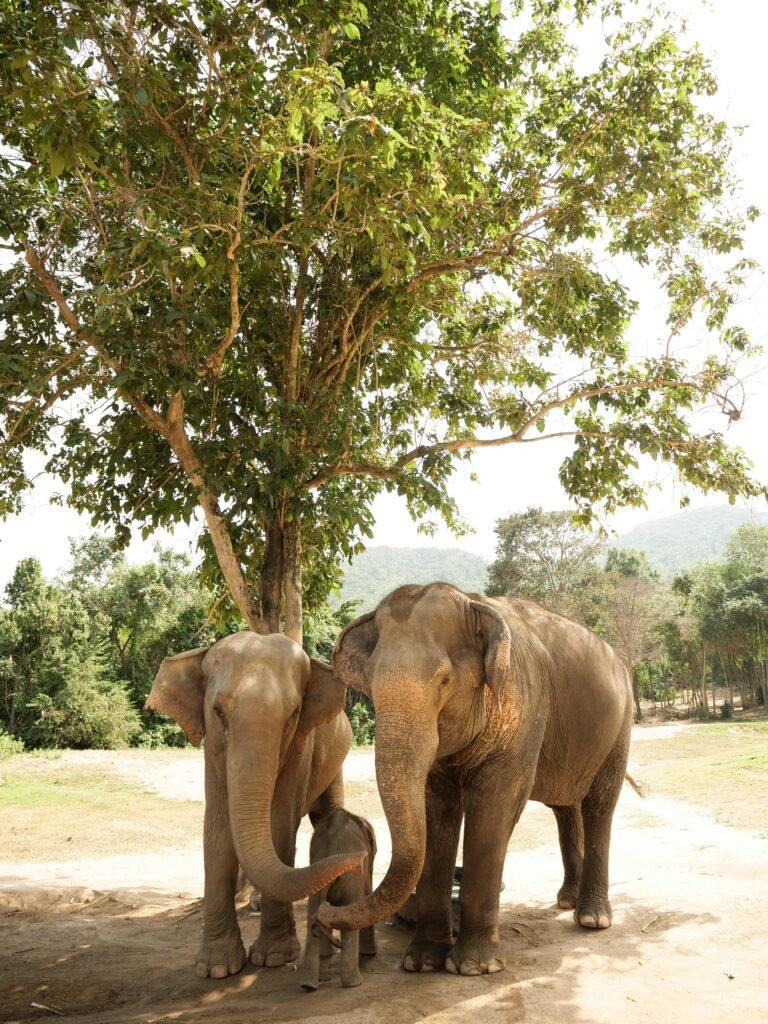
Two Asian elephants relaxing under a tree in a natural setting in Thailand.
pexels-photo-30817408-30817408.jpg
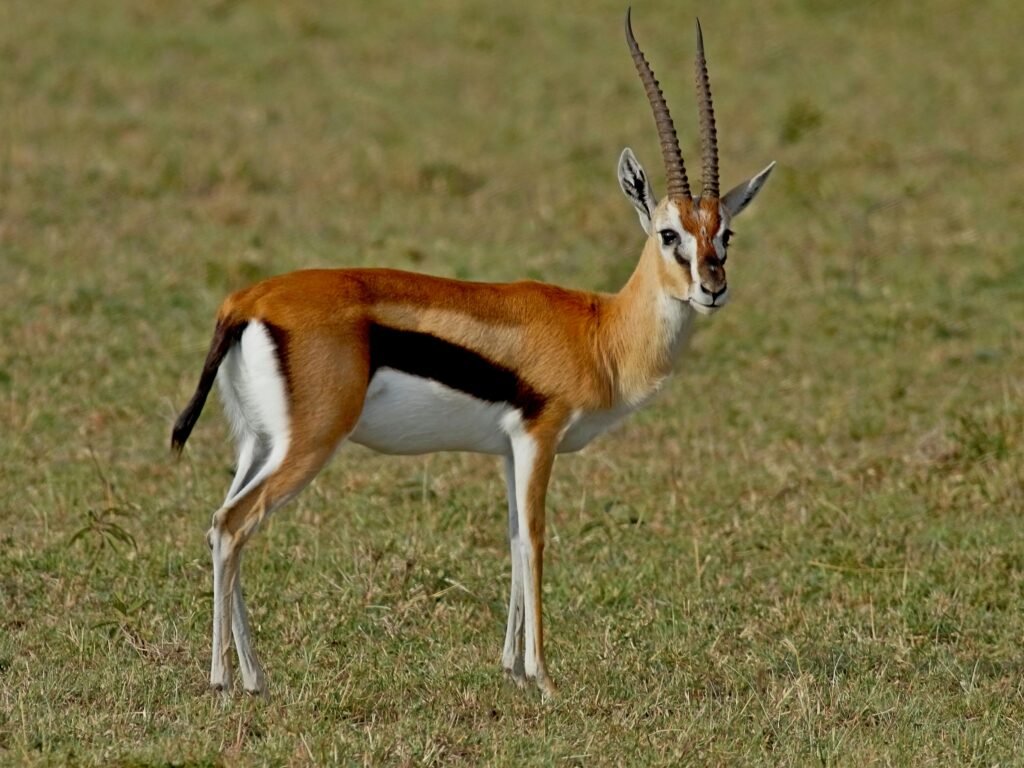
Thompson's gazelle stands gracefully in the vast grasslands of Nakuru, Kenya.

Since Mkomazi was designated a national park, significant improvements have been made in its conservation efforts. Thanks to the combined work of the Tanzania National Parks Authority (TANAPA) and the George Adamson African Wildlife Preservation Trust, the park has seen a dramatic reduction in poaching, illegal cattle grazing, fires, and other harmful activities. The infrastructure of Mkomazi has been strengthened, with upgraded roads and new water catchments that have helped support a thriving ecosystem.

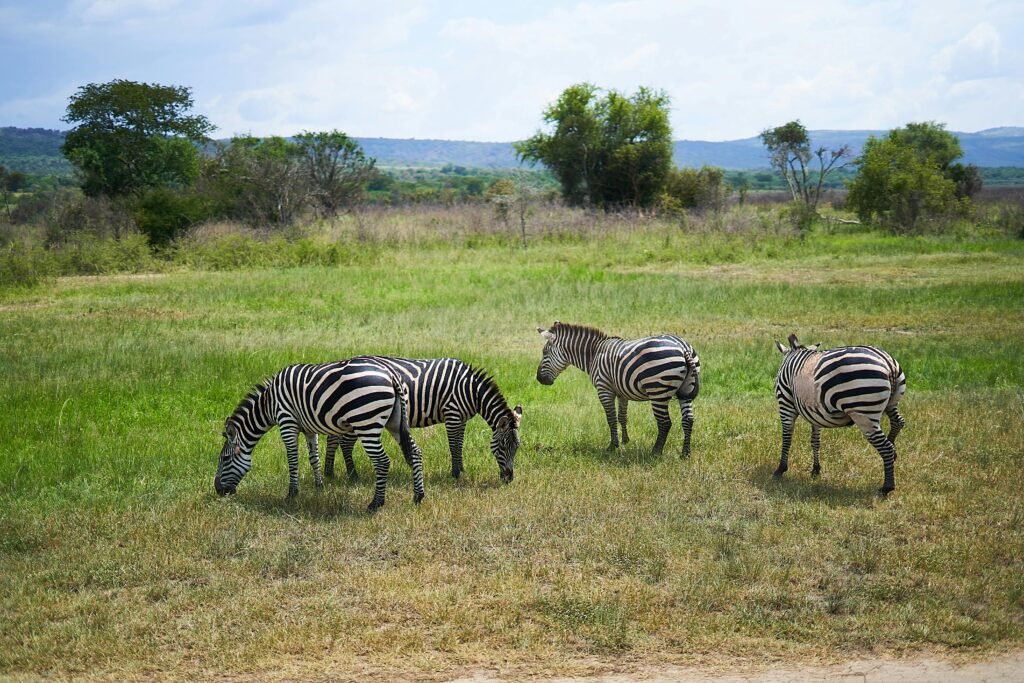
As a result, wildlife populations have flourished. Visitors to Mkomazi are now likely to encounter large herds of zebras, elands, elephants, and buffalos. The park also shelters an impressive variety of other species, including kongonis, giraffes, dik-diks, and ostriches. In the more arid areas of the park, species such as gerenuk, lesser kudu, and beisa oryx can be found. While the larger cats remain relatively elusive, there’s still the possibility of spotting serval cats, caracals, wild cats, and even wild dogs, adding to the park’s allure for wildlife enthusiasts.