This reserve was declared a World Heritage Site due to its dramatic landscapes and great diversity of wildlife. It is one of the few big game reserves that allow hiking, offering wildlife enthusiasts the chance to explore Tanzania’s pristine landscape on foot. Nyerere National Park has many diverse habitats with a mixture of Miombo woodlands, rolling hills, savannahs, rocky outcrops, swamps, lakes and rivers. The majestic Rufiji river, the largest river in Tanzania, is the lifeblood of the reserve and along with a network of many tributaries, lakes, lagoons and channels, plays a vital role in the ecosystem.
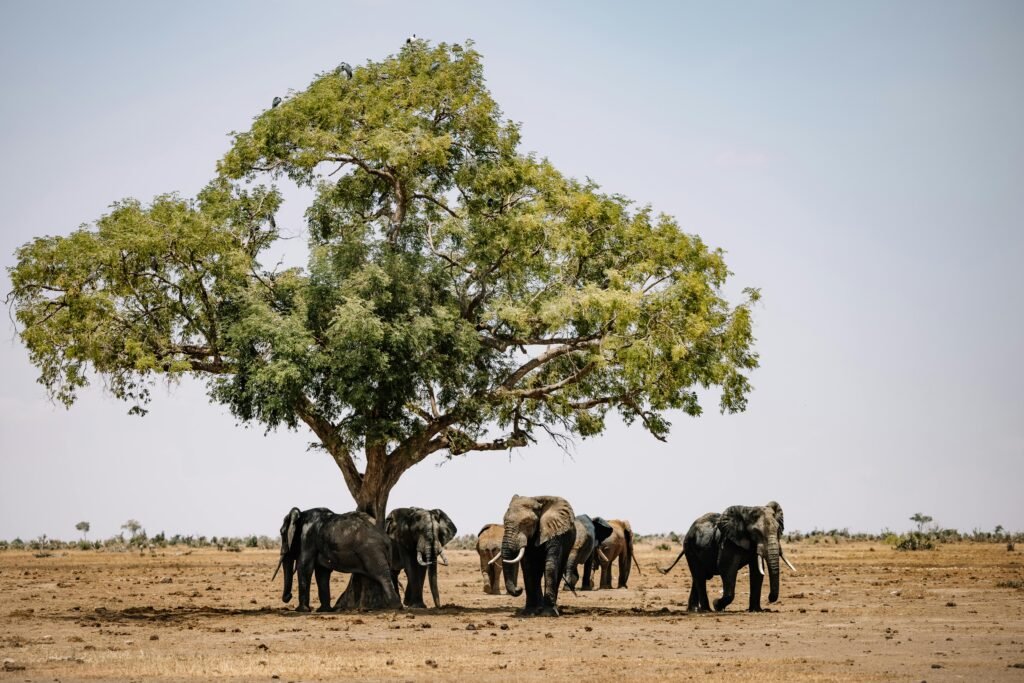
Nyerere National Park is also home to almost 3000 lions and is considered to have half of Tanzania’s elephant population within its boundaries! It is also home to the endangered African wild dog and black rhino. Leopards are found in abundance as they prefer to live in the Miombo woodlands area.
The reserve offers a variety of activities for guest to choose from. In addition to regular game drives, visitors can go on a boat safari or walk in the footsteps of people like Hemingway during a walking safari, accompanied by an armed ranger.